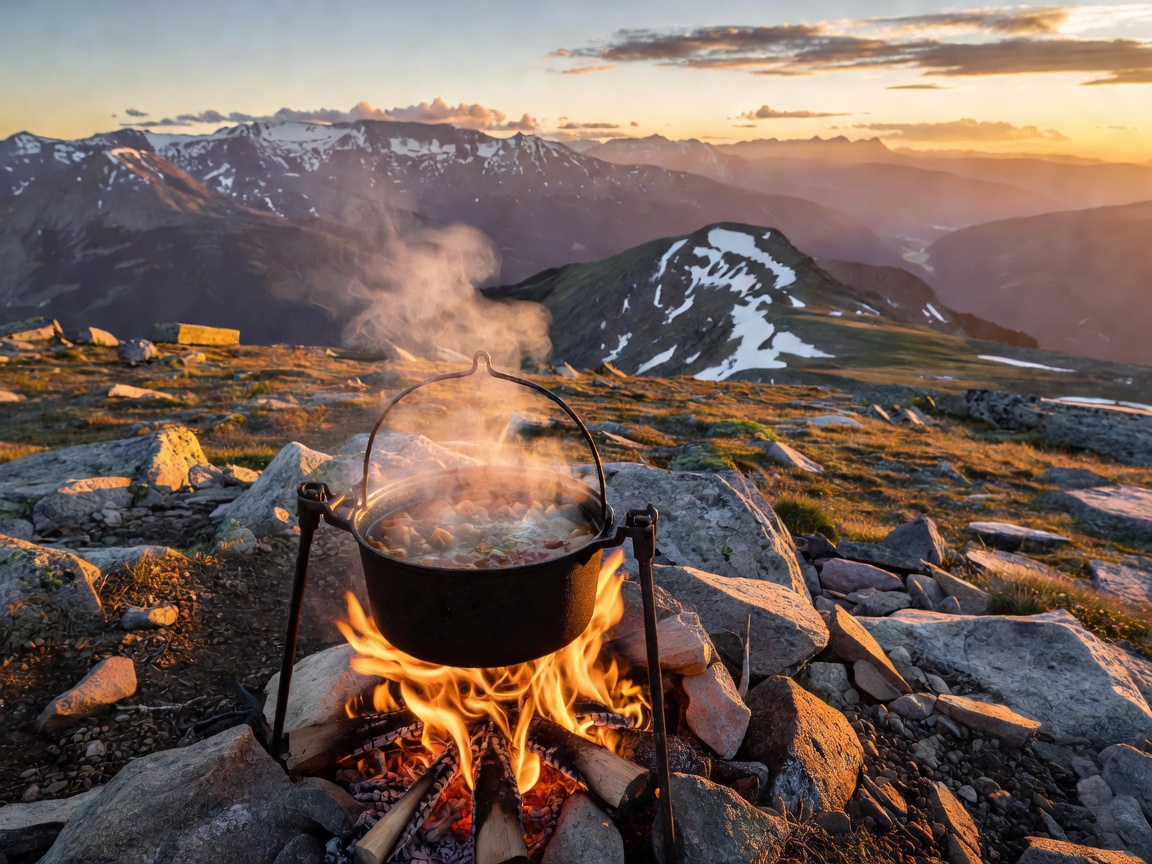
1. The Thermodynamic Dilemma at High Elevation
As altitude increases, atmospheric barometric pressure decreases. Consequently, water molecules require less kinetic heat energy to escape into vapor phase. While your water may bubble vigorously, its actual core temperature is significantly lower than sea level.
This temperature reduction critically slows the chemical gelatinization of complex starches (such as pasta, lentils, and dehydrated potato flakes) and doubles the hydration duration required for freeze-dried ration pouches.
| Elevation (Meters / Feet) | Boiling Point of Water (°C / °F) | Dehydrated Pouch Steep Time Multiplier |
|---|---|---|
| Sea Level (0m / 0ft) | 100.0°C / 212.0°F | 1.0× (Standard 10 mins) |
| 1,500m / 4,920ft | 95.0°C / 203.0°F | 1.25× (12-13 mins) |
| 3,000m / 9,840ft | 89.8°C / 193.6°F | 1.6× (16 mins) |
| 4,500m / 14,760ft | 84.8°C / 184.6°F | 2.2× (22 mins + cozy required) |
2. Thermal Containment: The Reflective "Pot Cozy" Solution
Because thin titanium and aluminum pots radiate heat into cold mountain air rapidly, letting food sit in an uninsulated pot guarantees it cools to tepid temperatures before cooking completes.
The solution is a lightweight DIY foil-faced bubble wrap (Reflectix) sleeve. Bring the water to a rolling boil, stir in your dehydrated rations thoroughly, secure the lid, and immediately slip the pot into the insulated cozy for 15 minutes. The thermal pouch retains 94% of the internal heat without consuming an extra drop of stove fuel.